

Geothermal energy presents a promising frontier in the global search for sustainable and clean power solutions. As global awareness of climate change and environmental degradation grows, the demand for renewable energy sources has seen a significant rise. Geothermal energy, derived from the Earth’s internal heat, stands out as a reliable and consistent energy source. With advancements in technology and increased governmental support, investments in geothermal energy are becoming increasingly attractive. This article explores the vast potential of geothermal energy, emphasizing the importance of investing in this underutilized resource.
Understanding Geothermal Energy
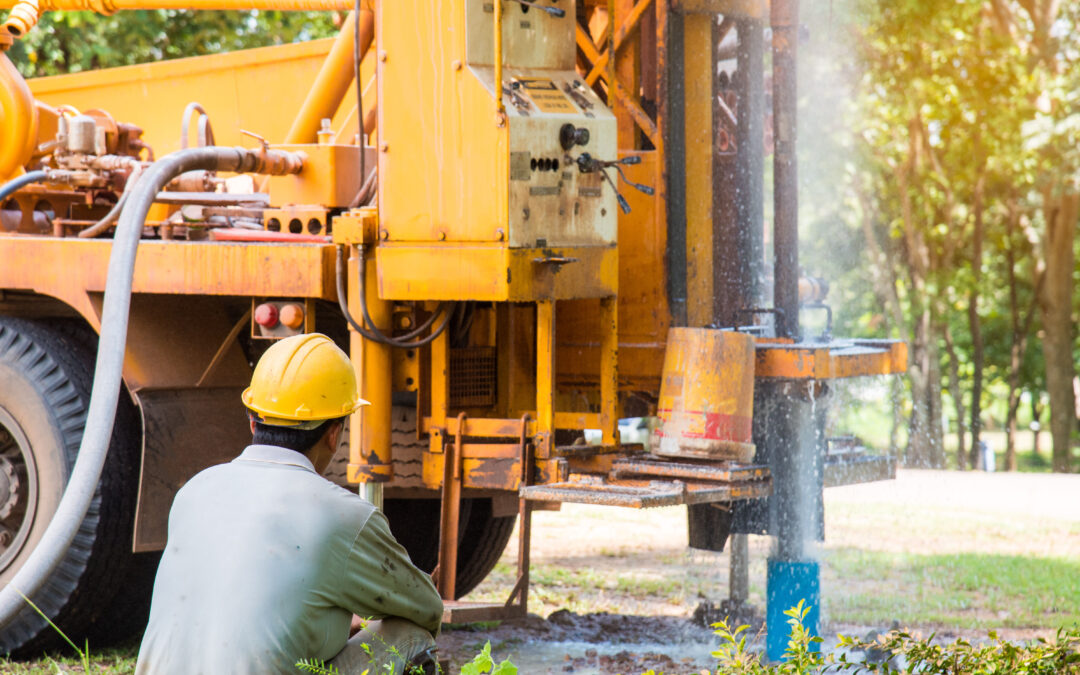
Geothermal energy harnesses the Earth’s internal heat, manifested through natural geological processes. This heat originates from the planet’s molten core and the decay of radioactive materials within the crust. Energy can be extracted from hot water and steam reservoirs located several kilometers beneath the Earth’s surface. This potential has been tapped by drilling wells and developing systems that convert this heat into electricity. Geothermal energy offers continuous, reliable power generation, unlike solar or wind energy, which are intermittent.
Geothermal energy is already being utilized in various parts of the world, with significant contributions in countries like Iceland, the Philippines, and the United States. These nations have capitalized on their geothermal resources, using them to power homes and industries efficiently. Currently, geothermal constitutes a small percentage of the global energy mix, but its potential remains vast. According to the International Energy Agency (IEA), geothermal energy could meet 15% of global electricity demand growth by 2050, contributing significantly to the annual 6,000 TWh production forecast. Increased investment and technological breakthroughs are essential to unlock this potential on a global scale.
There are various types of geothermal energy systems, primarily including dry steam, flash steam, and binary cycle power plants. Dry steam plants utilize steam from underground to directly run the turbines of a generator. Flash steam plants pull deep, high-pressure hot water into cooler, low-pressure water tanks, causing the rapid steam flash used for electricity. Binary cycle plants operate with lower temperature water, exchanging heat between geothermal fluids and secondary fluids with lower boiling points. Each system has its advantages and limitations, which must be evaluated based on location and resource availability.
The Economic Potential of Geothermal Drilling
Investing in geothermal drilling involves substantial upfront costs, including site exploration, drilling, and plant construction. Despite these initial investments, the long-term financial return is promising due to stable and low operational costs. Geothermal plants have an extended lifecycle compared to other energy plants, offering investors consistent returns over decades. As geological assessments and drilling technologies improve, the cost barriers that once hindered geothermal investment are gradually diminishing. Understanding these economic dynamics is crucial for investors looking to enter the market.
The geothermal industry stimulates the job market, creating opportunities for skilled labor in engineering, construction, and maintenance. As with other renewable sectors, the shift towards geothermal energy promotes economic development and local employment opportunities. Operational plants not only employ local communities but also trigger secondary economies as service industries develop to support them. The rise in job opportunities enhances community support and local economic resilience. Therefore, geothermal investment is a catalyst for economic transformation beyond just energy production.
Government incentives play a vital role in reducing the financial risks associated with geothermal projects. Various governments have implemented supportive policies, including tax credits, grants, and reduced-interest loans to promote clean energy projects. Such initiatives lower the barrier to entry for geothermal developers, ultimately encouraging private investment and accelerating market growth. Moreover, international funding agencies also support geothermal development in developing countries, recognizing its potential to provide reliable energy. These incentives and funding opportunities are essential for expanding the geothermal sector globally.
Technological Advancements in Geothermal Exploration
Recent innovations in drilling technology are enhancing the feasibility and cost-effectiveness of geothermal projects. Advanced drilling techniques, such as directional drilling and hydraulic fracturing, increase access to geothermal resources previously considered inaccessible. These technologies help to reduce drilling costs and improve the success rates of geothermal wells. They also enable developers to explore deeper reservoirs with higher thermal energy potential. Continued investment in these technologies is essential for unlocking the expansive potential of geothermal resources.
Enhanced Geothermal Systems (EGS) have the potential to revolutionize geothermal energy by expanding its reach beyond naturally occurring reservoirs. EGS involves creating artificial geothermal reservoirs by injecting water into hot, dry rock formations, extracting energy from areas previously unsuitable for traditional geothermal systems. This technology broadens the geographic applicability of geothermal power, potentially increasing its contribution to the global energy market. Although still in developmental stages, EGS represents a promising frontier in expanding the geothermal sector. Successful implementation of EGS could significantly increase geothermal’s share in meeting global electricity demand.
Modern geophysical and geochemical techniques are crucial in identifying viable geothermal sites and assessing resource potential. Techniques such as seismic surveys and remote sensing allow developers to map underground structures and determine geothermal reservoir viability accurately. These assessments reduce exploration risks and improve site-selection efficiency. Geochemical analyses enable the understanding of fluid compositions that impact the engineering of geothermal plants. As these techniques continue to evolve, they enhance the precision and success of geothermal projects worldwide.
Global Perspectives and Markets
Geothermal energy offers substantial potential for developing economies seeking sustainable and cost-effective power solutions. Nations in the East African Rift Valley, Southeast Asia, and the Caribbean have untapped geothermal resources. Harnessing these resources could lead to energy independence and improved socio-economic conditions. By investing in geothermal, these countries can meet their growing energy demands while minimizing environmental impacts. International cooperation and funding support are essential to help these nations develop their geothermal potential effectively.
Market leaders in geothermal energy, such as the United States, Indonesia, and the Philippines, continue to set benchmarks for development and innovation. These countries benefit from supportive policies, skilled labor, and proven technology frameworks. Emerging players, including Turkey, Kenya, and Mexico, are harnessing geothermal resources to diversify their energy portfolios and reduce reliance on fossil fuels. These nations are exploring innovative approaches to overcome economic and environmental challenges. The geothermal market’s growth trajectory depends on cooperation between established leaders and aspiring entrants.
International collaboration and supportive trade policies are crucial for fostering a thriving global geothermal market. The exchange of technology, expertise, and investment between countries accelerates geothermal development. Governments can promote cross-border cooperation by harmonizing regulations and standards to facilitate international projects. Such alliances create opportunities for joint ventures and knowledge sharing, ultimately expanding global geothermal capacity. Collaborative efforts are essential in unlocking geothermal resources, enabling a broader and more sustainable energy transition worldwide.
Environmental and Societal Benefits
Geothermal energy significantly contributes to the reduction of carbon footprints, providing a sustainable alternative to fossil fuel-based energy. As a low-emission power source, geothermal plants produce negligible greenhouse gases compared to coal or natural gas. Widespread adoption of geothermal energy can substantially decrease global carbon emissions, mitigating climate change impacts. The transition to geothermal power supports international efforts aiming to achieve carbon neutrality and protect the environment. Prioritizing geothermal development is an essential step towards a more sustainable future.
Geothermal energy offers a relatively low land-use footprint compared to other renewable sources. With efficient spatial utilization, geothermal plants require minimal land disturbance during development. Proper site selection and modern design techniques further mitigate environmental impacts, preserving natural habitats and landscapes. Furthermore, geothermal projects can coexist harmoniously with local ecosystems and agricultural lands. By prioritizing land preservation, geothermal energy demonstrates its commitment to environmental stewardship and sustainability.
Geothermal drilling represents a key solution within the global transition towards sustainable and clean power. Its unique advantages, such as reliability and low emissions, make it an essential part of the future energy mix. By addressing challenges and fostering innovation, the potential of geothermal energy can be fully realized. Strategic investments, supportive policies, and public awareness are necessary steps to unlock this resource’s benefits. Committing to geothermal development ensures a sustainable, resilient energy future for generations to come. For more information about the services that we offer, reach out to our incredible team at Ace Well Drilling today!
Recent Comments