

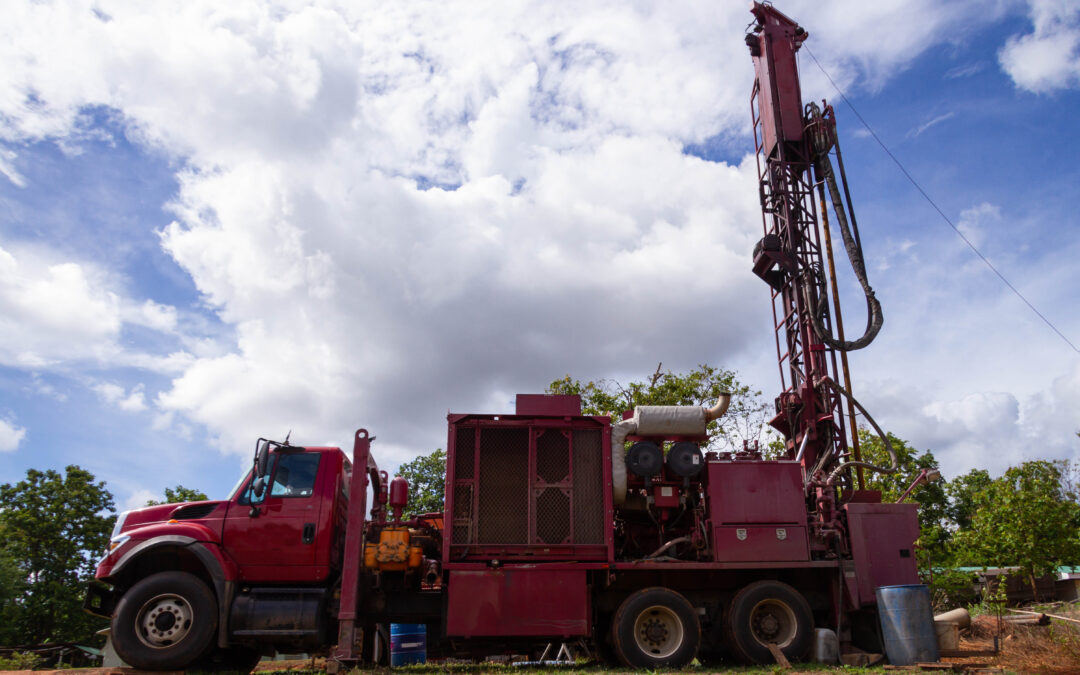
Geothermal drilling is emerging as a pivotal solution in the quest for sustainable energy. With its potential to tap into the Earth’s natural heat, geothermal energy stands at the forefront of renewable energy technologies. This article explores the transformative impact of geothermal drilling services on the environment and explains how geothermal drilling services are helping communities transition toward cleaner, more reliable power sources.
1. Understanding Geothermal Energy
Geothermal energy is a renewable resource derived from the heat stored beneath the Earth’s surface. This form of energy is harnessed using various systems that convert natural heat into electricity or direct heating solutions. The potential benefits and applications of geothermal energy are vast, making it a crucial component of the renewable energy landscape, particularly when supported by professional geothermal drilling services that make resource access possible.
In understanding geothermal energy, it’s important to grasp the diverse systems it offers. The most common systems include dry steam power plants, flash steam power plants, and binary cycle power plants, each utilizing geothermal reservoirs differently. These systems facilitate the conversion of geothermal heat to energy through advanced technological processes, all of which depend on accurate well development performed by geothermal drilling services.
The global distribution of geothermal resources is varied, with significant deposits in the Pacific Rim, Iceland, and parts of Africa and Latin America. According to the Alliance for Innovation and Infrastructure’s Geothermal Energy Brief, over 92 percent of U.S. geothermal energy comes from California and Nevada. Additionally, historical developments in geothermal technology have set the stage for current advancements, allowing geothermal drilling services to operate with greater efficiency and precision than ever before.
1.1 The Science Behind Geothermal Energy
The science of geothermal energy hinges on the thermal energy present beneath the Earth’s crust. This heat is derived from the original formation of the planet and the radioactive decay of minerals. By drilling into the Earth’s crust, geothermal energy can be accessed and used for power generation, a process that relies heavily on specialized geothermal drilling services to reach deep underground reservoirs safely.
Geothermal technology exploits natural reservoirs of steam or hot water, which can be found deep beneath the Earth’s surface or in more accessible areas with volcanic activity. The process involves drilling wells, which allows the natural steam or hot water to rise to the surface, where it can be used directly or to generate electricity. Reliable geothermal drilling services play a critical role in maintaining well integrity and long-term productivity.
Enhanced geothermal systems (EGS) are an advanced form of geothermal technology that enhances existing reservoirs through hydraulic fracturing. This breakthrough allows for the expansion of geothermal resource utilization in areas without natural reservoirs. The science behind EGS revolves around creating an artificial reservoir by injecting water into hot, dry rock under high pressure, a task that requires experienced geothermal drilling services with advanced technical capabilities.
1.2 Types of Geothermal Energy Systems
Different types of geothermal energy systems are employed depending on the geographical conditions and availability of resources. Dry steam power plants use reservoirs of steam, which is piped directly to turbines to generate electricity. Flash steam power plants utilize high-pressure hot water reservoirs, converting the water into steam through a rapid depressurization process made possible through properly constructed wells.
Binary cycle power plants form a more versatile system that can operate with lower temperature resources. This system uses a secondary fluid with a lower boiling point than water, which is vaporized by geothermal heat and used to drive a turbine. These facilities rely on consistent subsurface performance achieved through high-quality geothermal drilling services.
Geothermal heat pumps are another common application that directly use thermal energy from beneath the ground to heat and cool buildings. By circulating fluids through underground pipes, these systems exchange heat between the building and the ground, providing an efficient and sustainable way to manage building temperatures. Even these smaller-scale systems depend on precise drilling methods that geothermal drilling services provide to residential and commercial clients.
1.3 Global Distribution of Geothermal Resources
The global distribution of geothermal resources is influenced by tectonic activity, which often correlates with volcanic regions. The Pacific Ring of Fire is one of the most geothermal-active regions in the world. Countries like Indonesia, Japan, and the Philippines are capitalizing on their geothermal potential with the help of expanding geothermal drilling services infrastructure.
In Europe, Iceland stands out as a leader in geothermal energy utilization, benefiting from its unique geological formations. The country uses geothermal heating for nearly 90% of its buildings, showcasing the practical applications of geothermal solutions in everyday life. Such widespread adoption would not be possible without coordinated geothermal drilling services that maintain production capacity.
In the United States, geothermal development remains concentrated in western states, though exploration continues elsewhere. As investment grows, geothermal drilling services are expected to expand into new regions, unlocking untapped geothermal reservoirs and strengthening domestic renewable energy portfolios.
2. Environmental Benefits of Geothermal Drilling
Geothermal energy offers numerous environmental advantages compared to fossil fuels. By tapping naturally occurring heat beneath the surface, geothermal systems reduce reliance on carbon-intensive energy sources. The environmental performance of these systems is closely tied to responsible geothermal drilling services that prioritize efficiency and safety.
Geothermal plants typically emit less than 5% of the carbon dioxide produced by coal-fired power plants. Methane and nitrogen oxide emissions are also significantly lower. As climate concerns intensify, expanding geothermal drilling services can help countries meet emission reduction targets.
In addition to lowering greenhouse gas emissions, geothermal energy reduces land disturbance relative to many other renewable technologies. Careful site planning and modern geothermal drilling services minimize surface disruption while maximizing underground energy extraction.
2.1 Reduction of Greenhouse Gas Emissions
Geothermal energy produces minimal greenhouse gas emissions compared to traditional energy generation. By reducing carbon dioxide output and other pollutants, geothermal projects support global efforts to mitigate climate change.
Air quality improvements often accompany geothermal development. Communities located near fossil fuel plants frequently experience health impacts from pollution, whereas geothermal facilities produce far fewer airborne contaminants. Properly managed geothermal drilling services further limit environmental exposure during construction phases.
As nations pursue decarbonization goals, geothermal energy represents a dependable solution capable of delivering consistent, low-emission electricity for decades.
2.2 Minimal Land Footprint Compared to Other Renewables
Geothermal facilities generally require less land than wind or solar farms generating equivalent power. This compact footprint reduces habitat fragmentation and visual impact. Strategic geothermal drilling services allow operators to cluster wells efficiently and preserve surrounding ecosystems.
Because geothermal energy production occurs largely underground, surface infrastructure can be integrated into existing landscapes. This adaptability benefits both rural and semi-urban areas where land use is carefully managed.
The smaller land requirement simplifies permitting and environmental compliance processes, helping geothermal projects advance more smoothly.
Geothermal energy represents one of the most reliable and environmentally responsible renewable resources available today. By tapping into the Earth’s natural heat, communities can reduce greenhouse gas emissions, conserve land and water resources, and build resilient energy systems that operate year-round. From advanced exploration techniques to enhanced geothermal systems, continued innovation is expanding what is possible in this growing sector.
At the center of this progress are professional geothermal drilling services, which make safe and efficient access to underground heat achievable. With improved technologies, stronger environmental safeguards, and increasing global investment, geothermal drilling services are helping unlock long-term, sustainable power solutions. As demand for clean energy continues to rise, geothermal development stands ready to play a critical role in shaping a lower-carbon future for generations to come. Call Ace Well Drilling today to learn more.
Recent Comments